
Chest pain or a suspected heart problem
Continuous monitoring and a defibrillator close at hand.
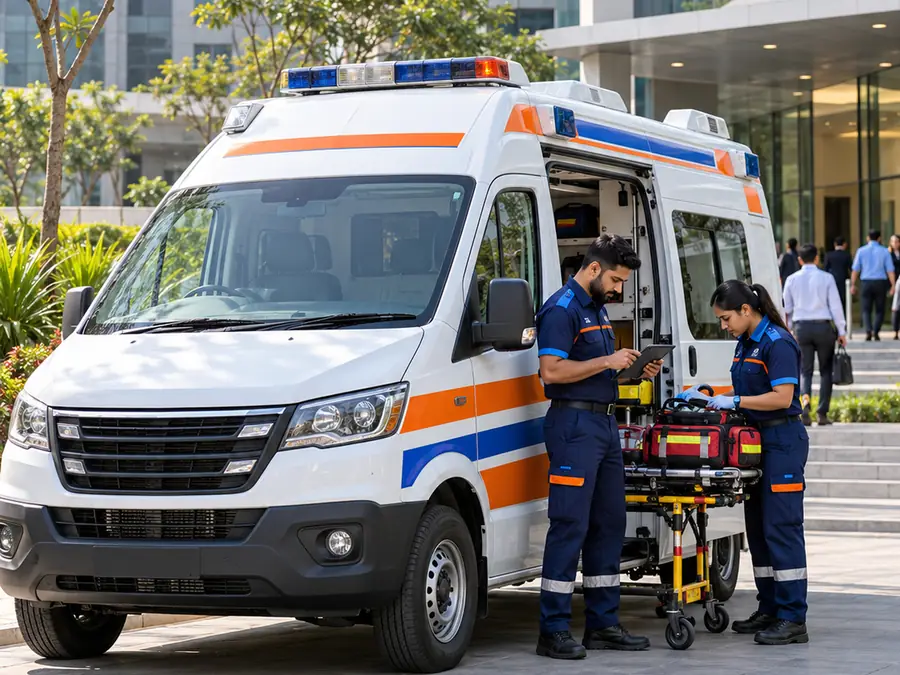
For patients who need monitoring and intervention on the way to hospital. A monitored care cabin, an emergency medical technician and a hospital that knows you are coming.
Each ALS cabin is laid out so the crew can reach everything without leaving the patient's side.
The call taker listens, asks a few questions and decides with you. These are some of the situations where an ALS ambulance is usually sent.

Continuous monitoring and a defibrillator close at hand.
Oxygen and airway support from the moment the crew arrives.
Road accidents, falls and injuries that need close watching.
A trained crew to protect the airway and monitor the patient.
Medicines and fluids continued safely on the way.
Moves from a clinic or small hospital to a larger one.
From the first minute with the patient to the handover, the crew works through the same steps on every ALS ride.
The crew checks breathing, pulse and responsiveness as soon as they reach the patient.
Vital signs go on screen and stay there for the whole ride.
Oxygen, airway care and medicines given as per protocol.
The receiving hospital is told who is coming and what to expect.
The crew briefs the emergency team at the bay, with the case record.
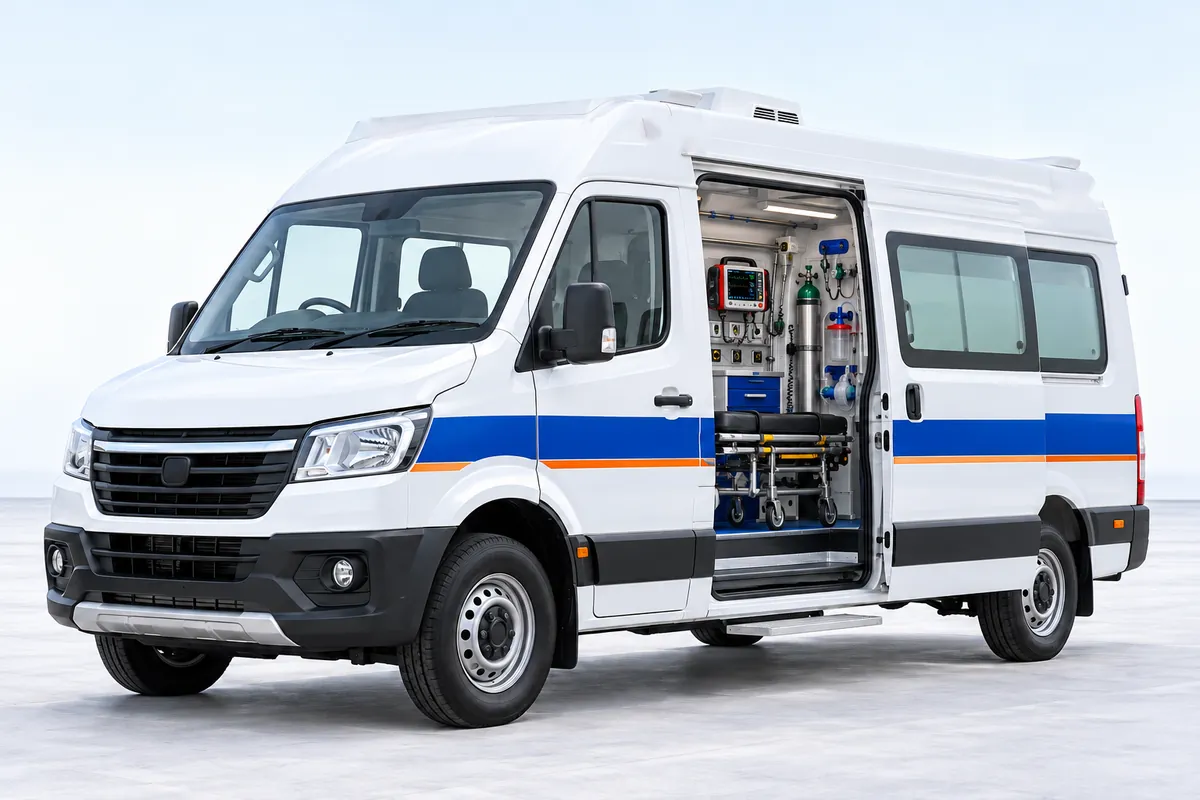
A short walk through of the care cabin with a RISA emergency medical technician.
ALS sits between basic support and critical care. The call taker helps you choose.
Stable patients who need care and a safe ride
Patients who need monitoring and intervention on the way
Critically ill patients and intensive care transfers
Not sure which level you need? You do not have to decide. The call taker asks a few questions and sends the right one.
Call the toll free number and stay on the line. The call taker sends the nearest suitable ALS ambulance and guides you until it arrives.
In an emergency, call 1800 108 1800 at any hour. For anything else, write to contact@smartambulance.com.
Visit the help centreAn Advanced Life Support ambulance carries a vital signs monitor, a defibrillator, airway equipment and emergency medicines, with an emergency medical technician on board.
The call taker decides with you after a few questions about the patient. You do not need to know the care level when you call.
Yes. The crew sends a pre alert so the receiving team knows who is coming and what to expect.
ALS ambulances are crewed by an emergency medical technician and a driver. For transfers that need a doctor on board, ask for Critical Care.
Tell the call taker your preferred hospital. The crew takes the patient there when it is safe to do so.
Tell us who you are and we will open the right form.